
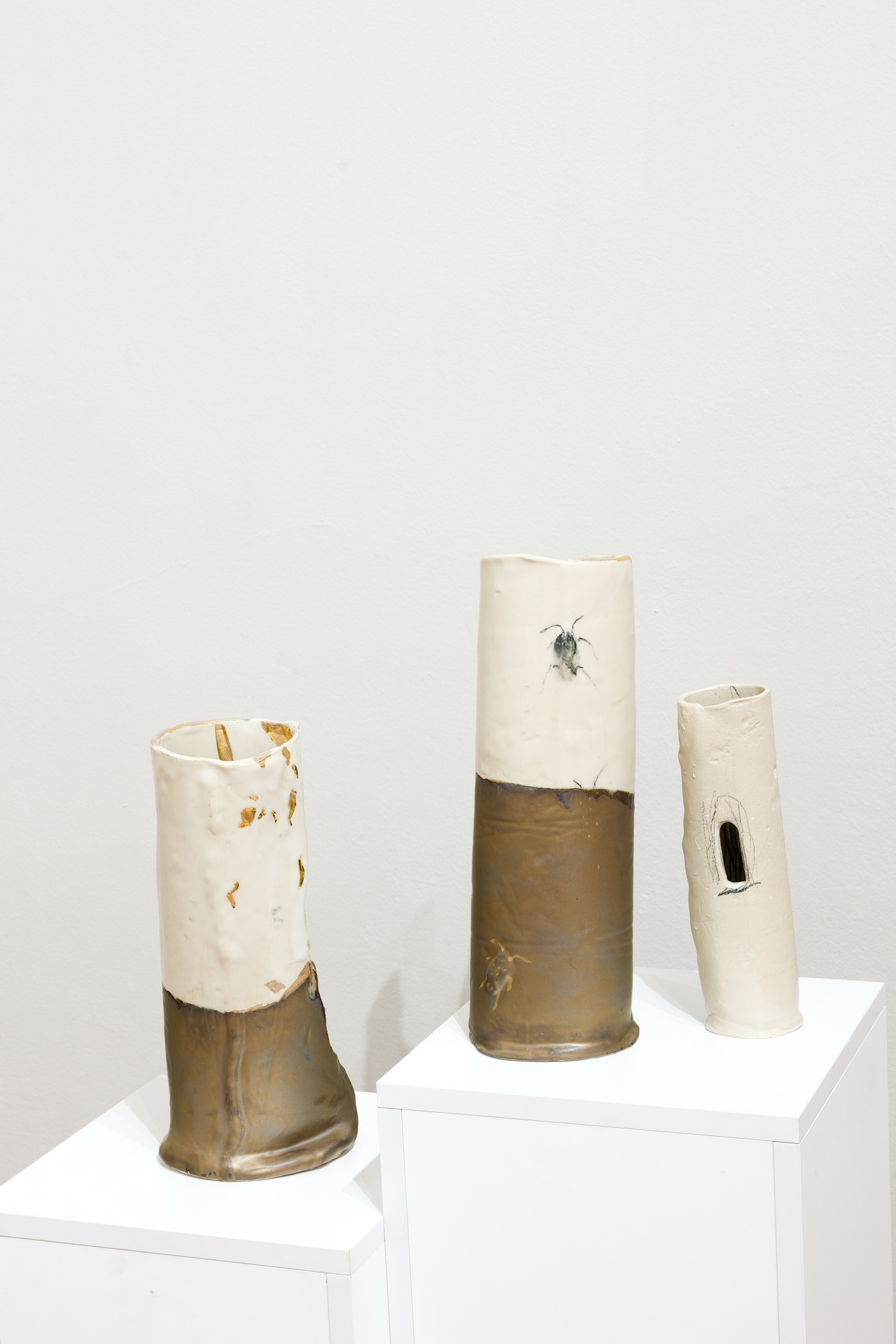
Location: Beograd
Date: 23.04 – 17.05.2026
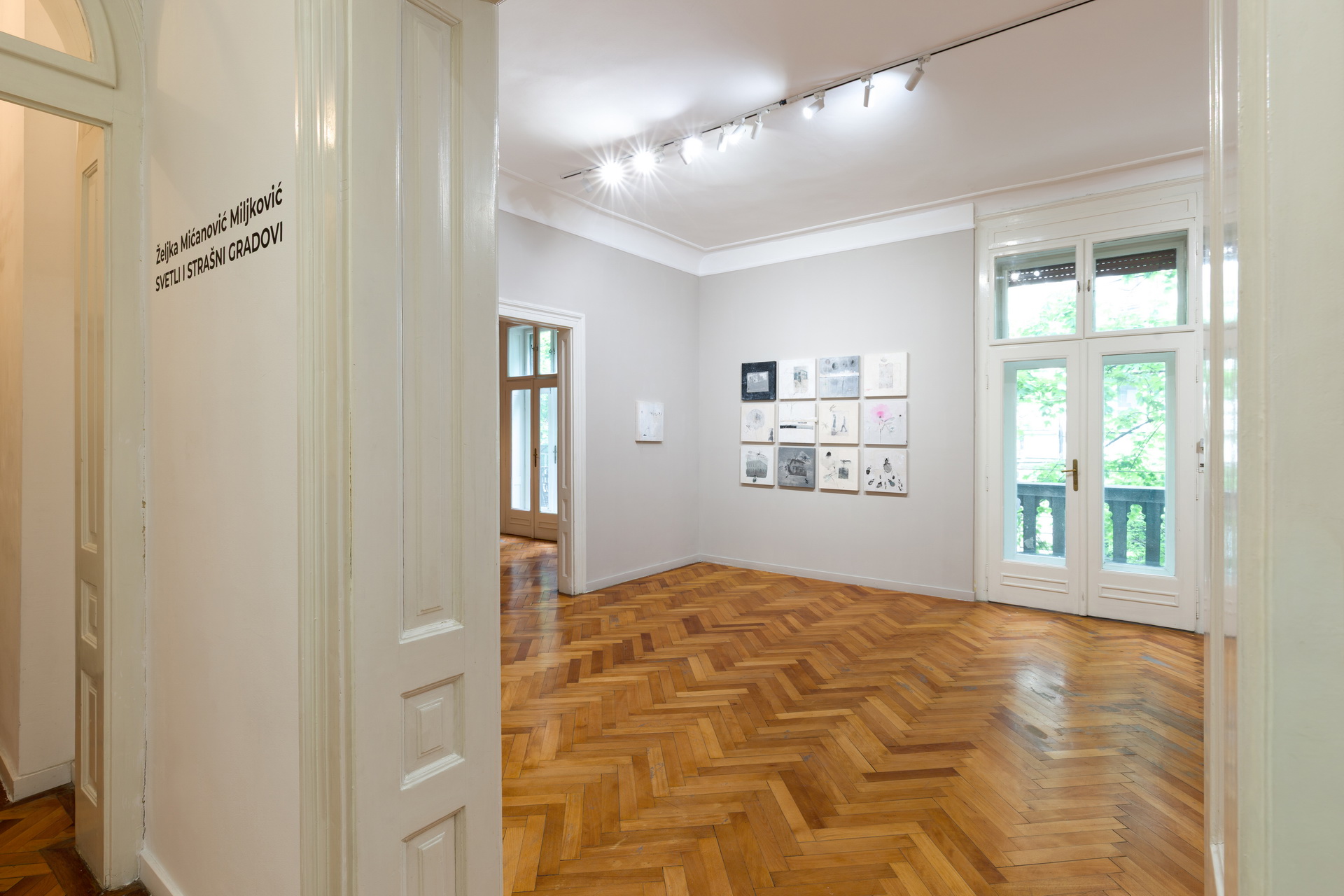
Željka Mićanović Miljković
LUMINOUS AND UNCANNY CITIES
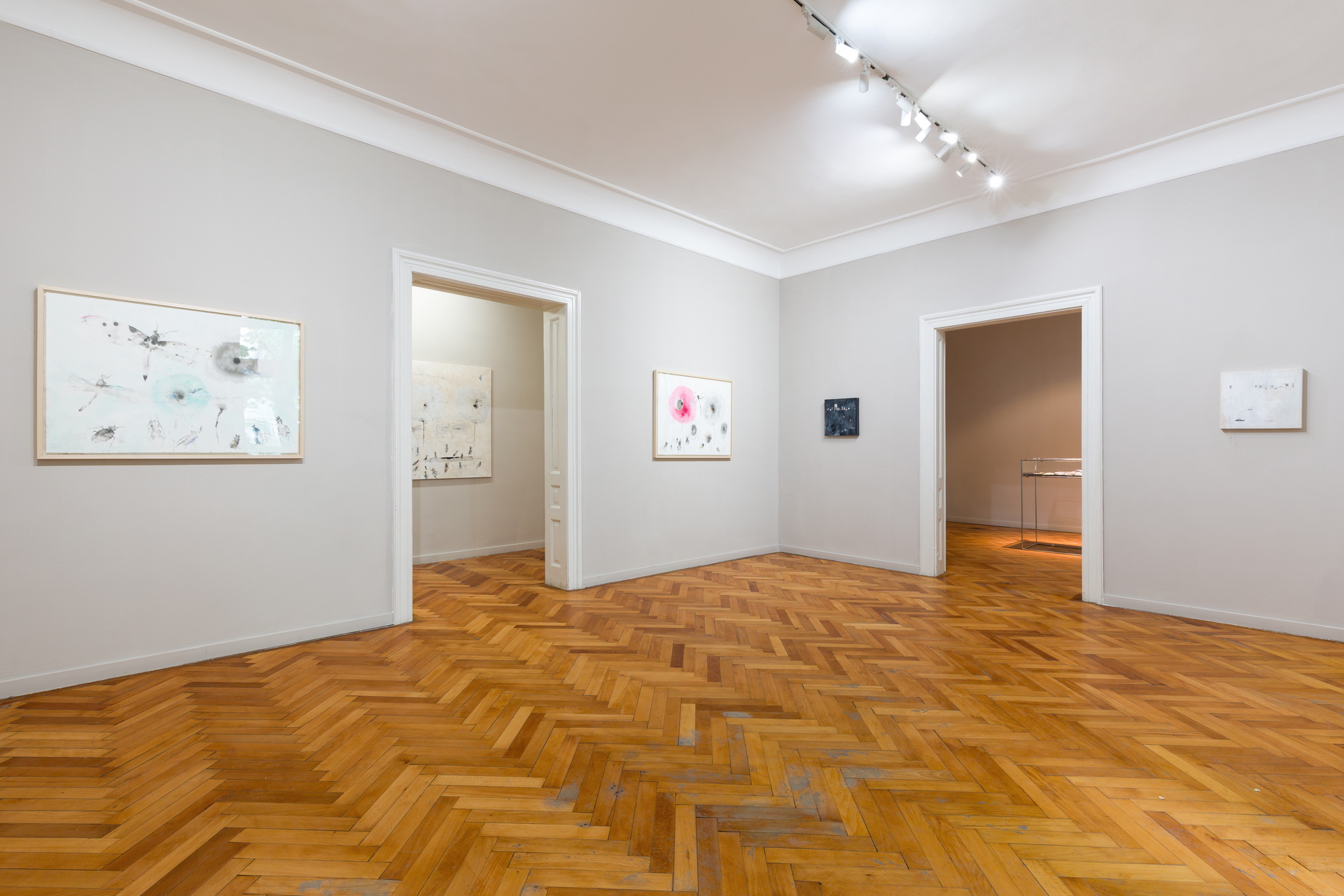
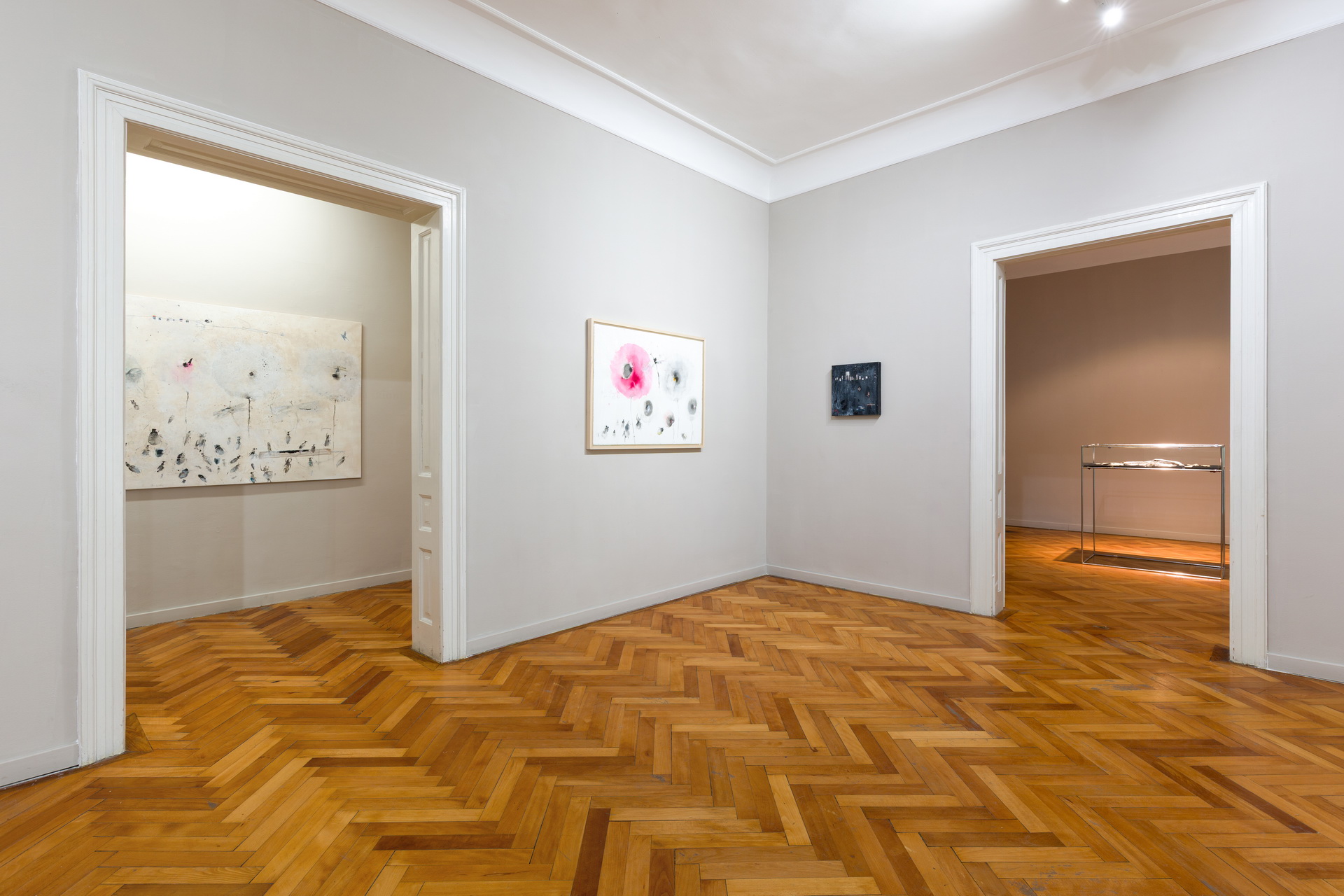
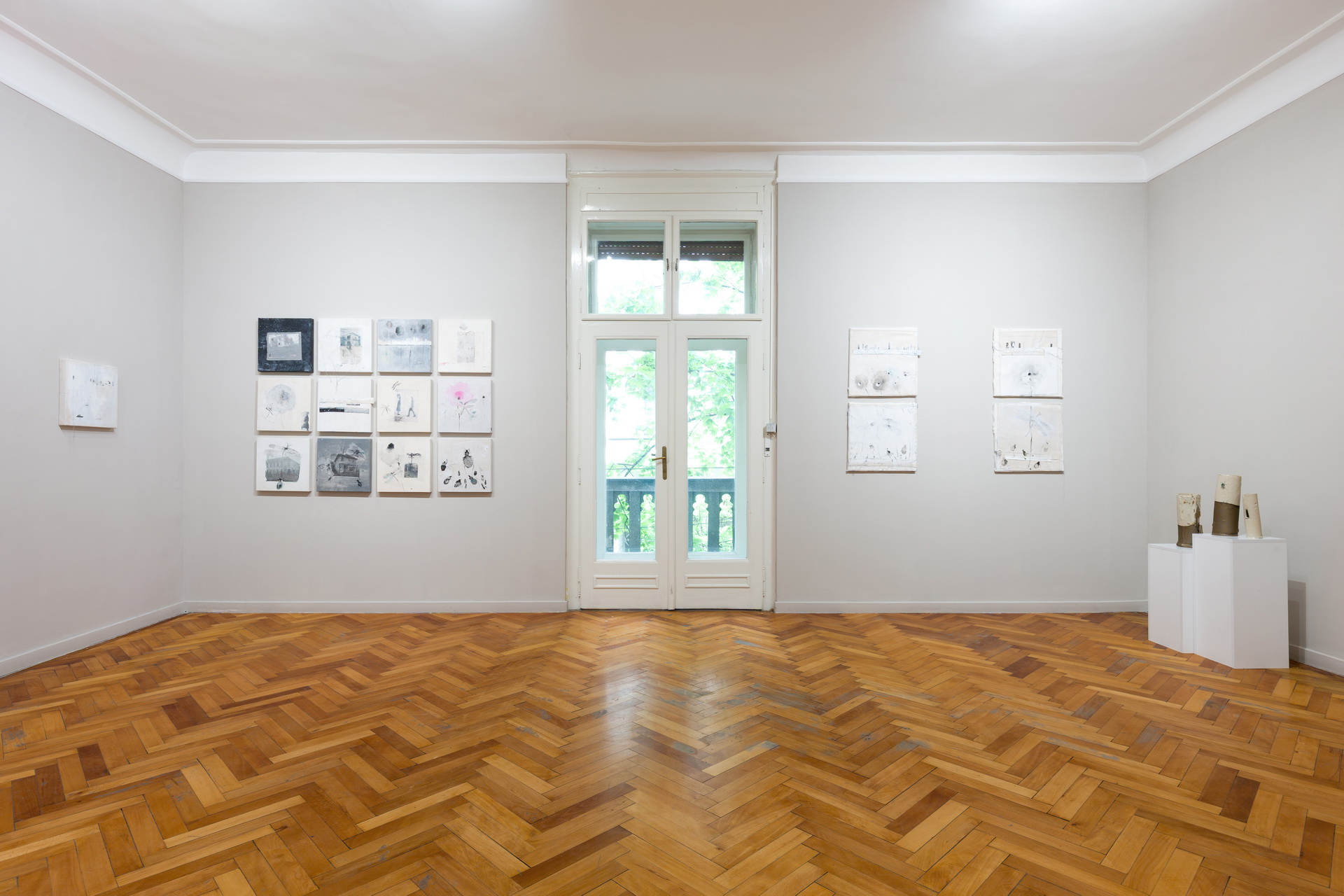
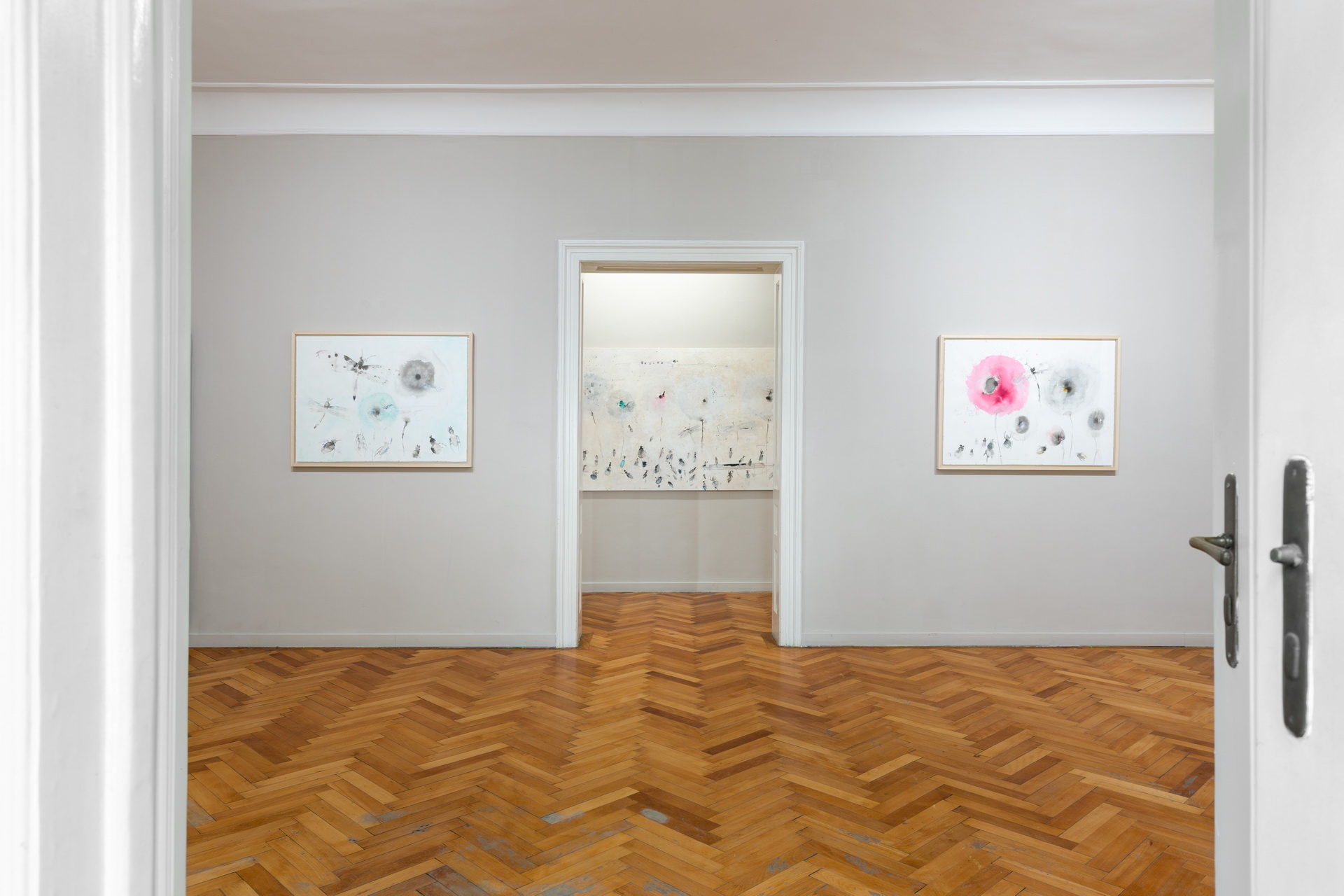
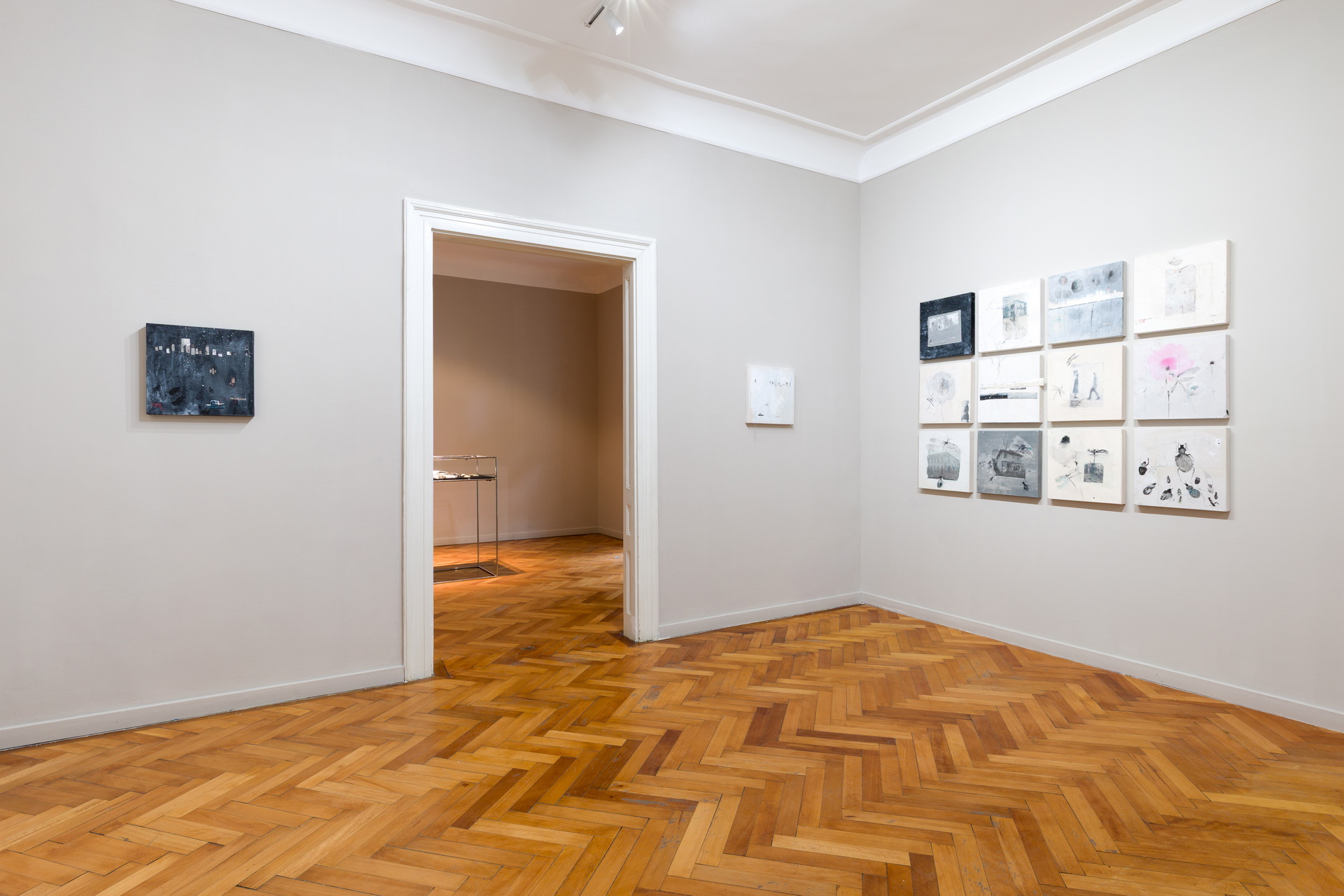
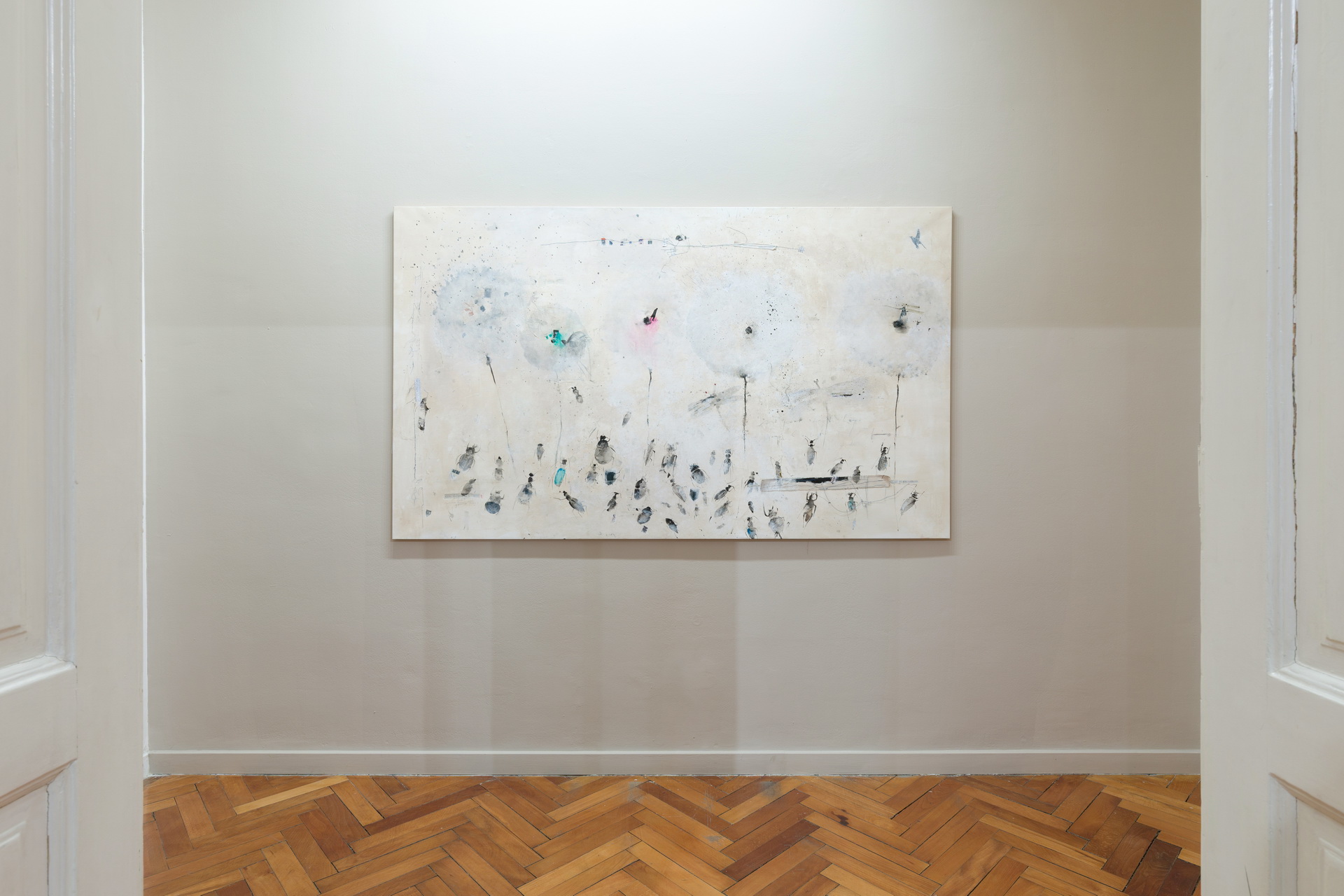
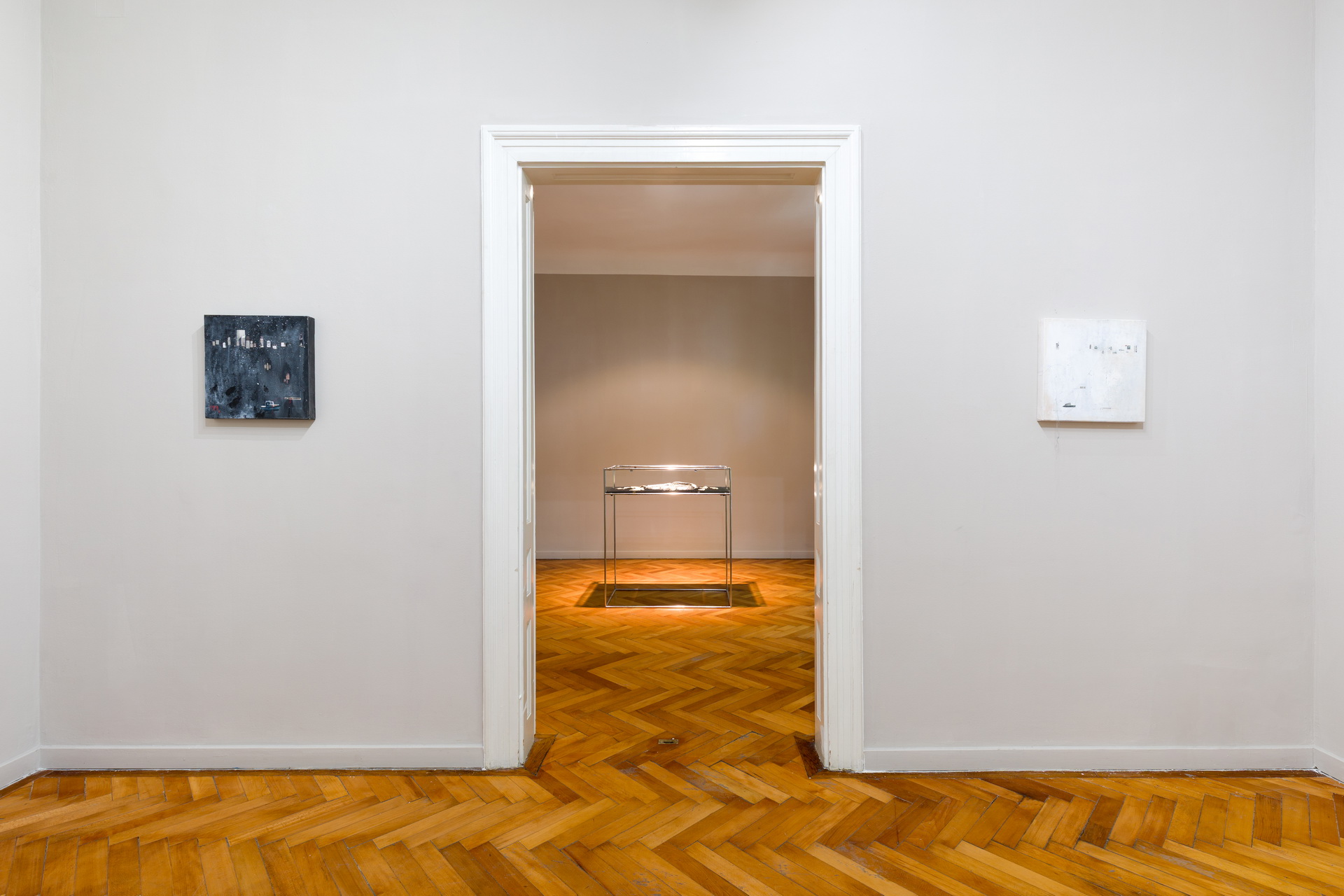
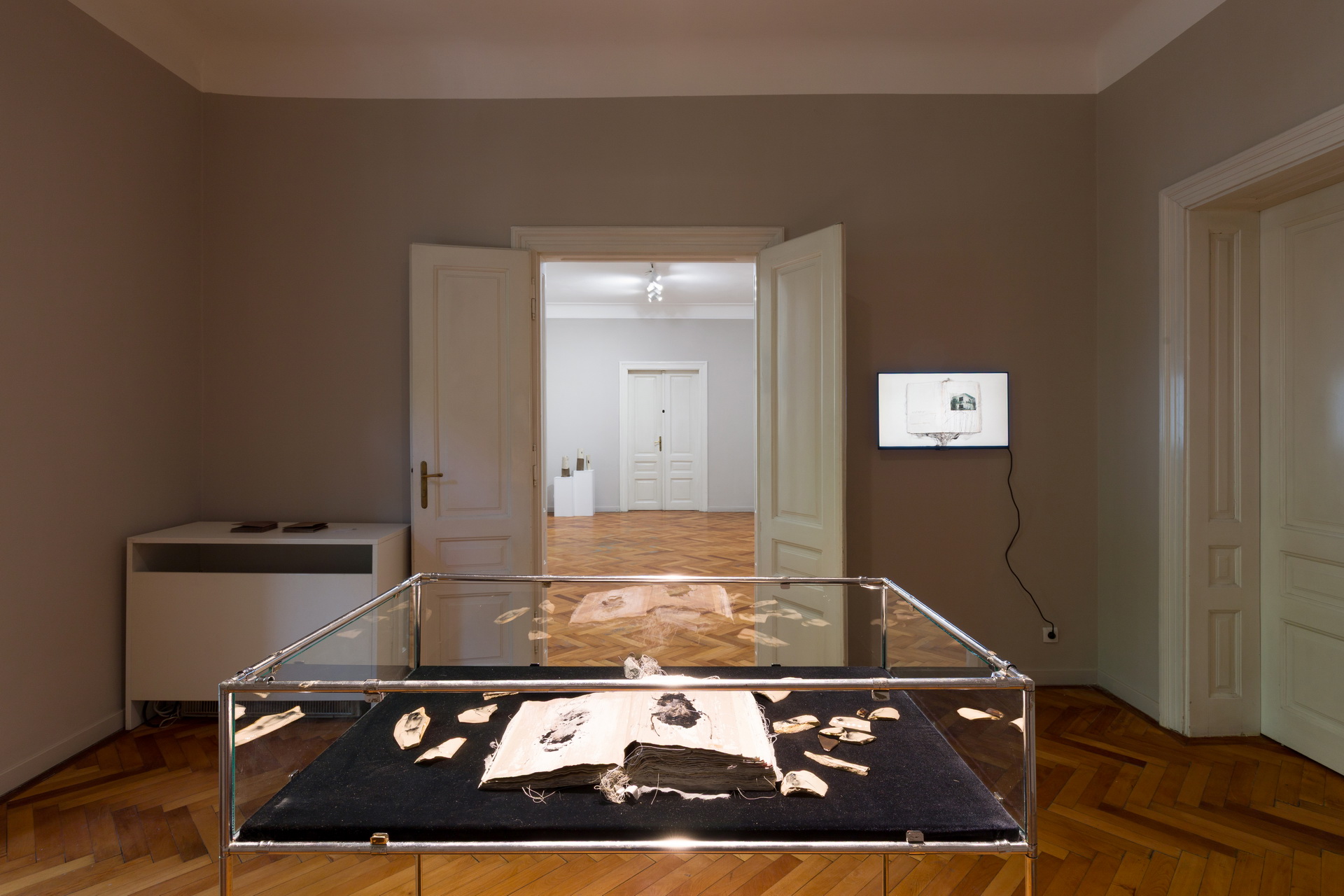
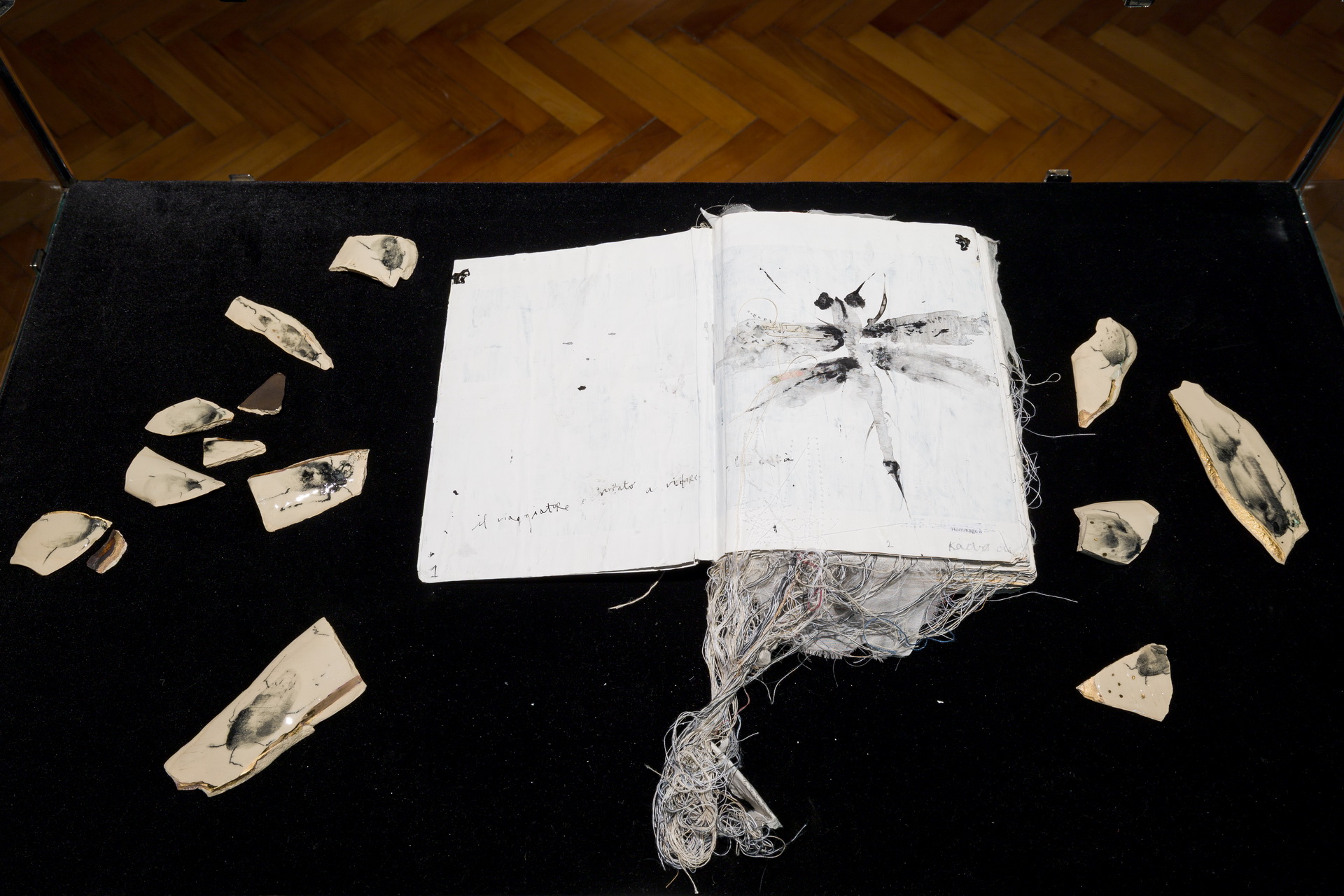
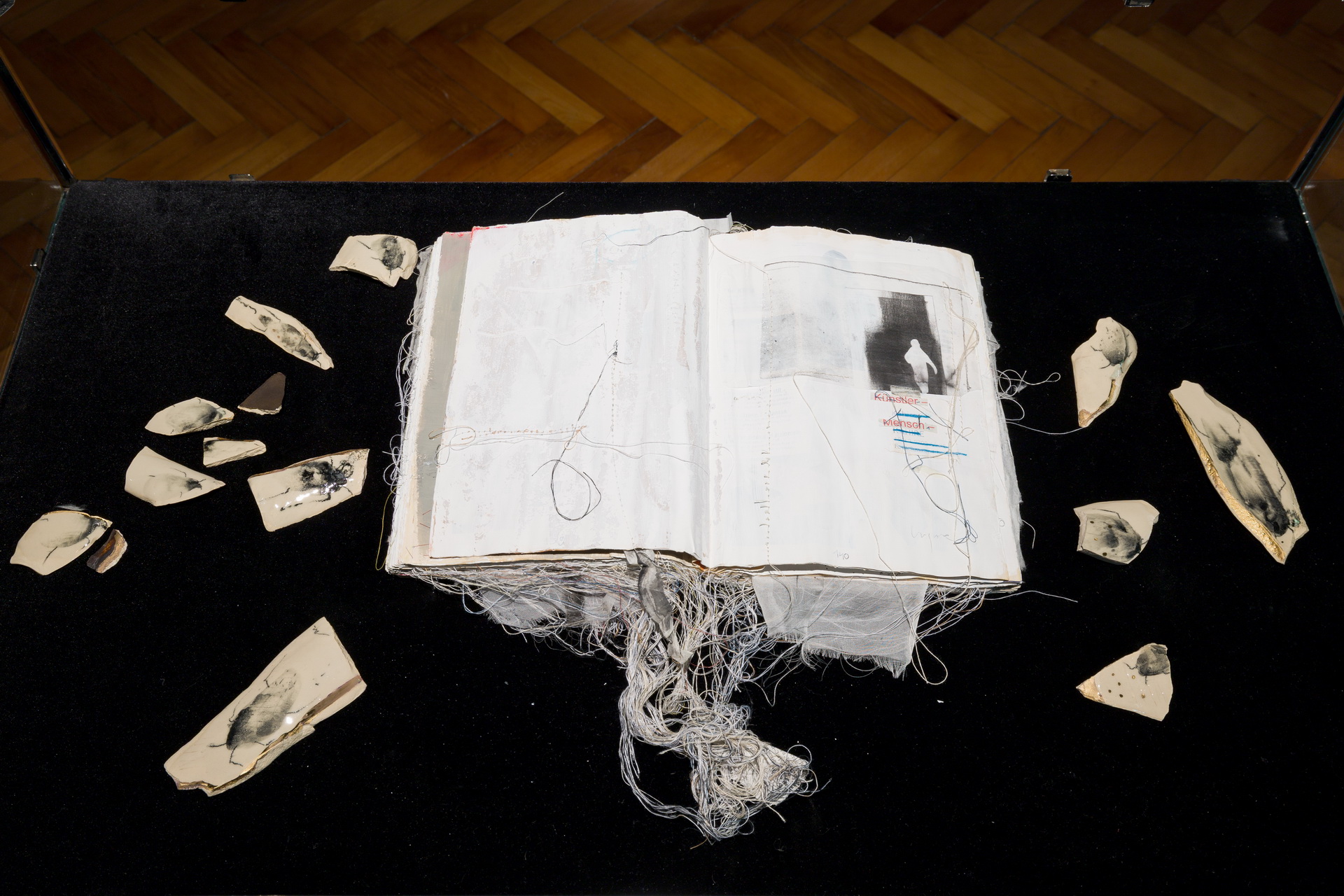
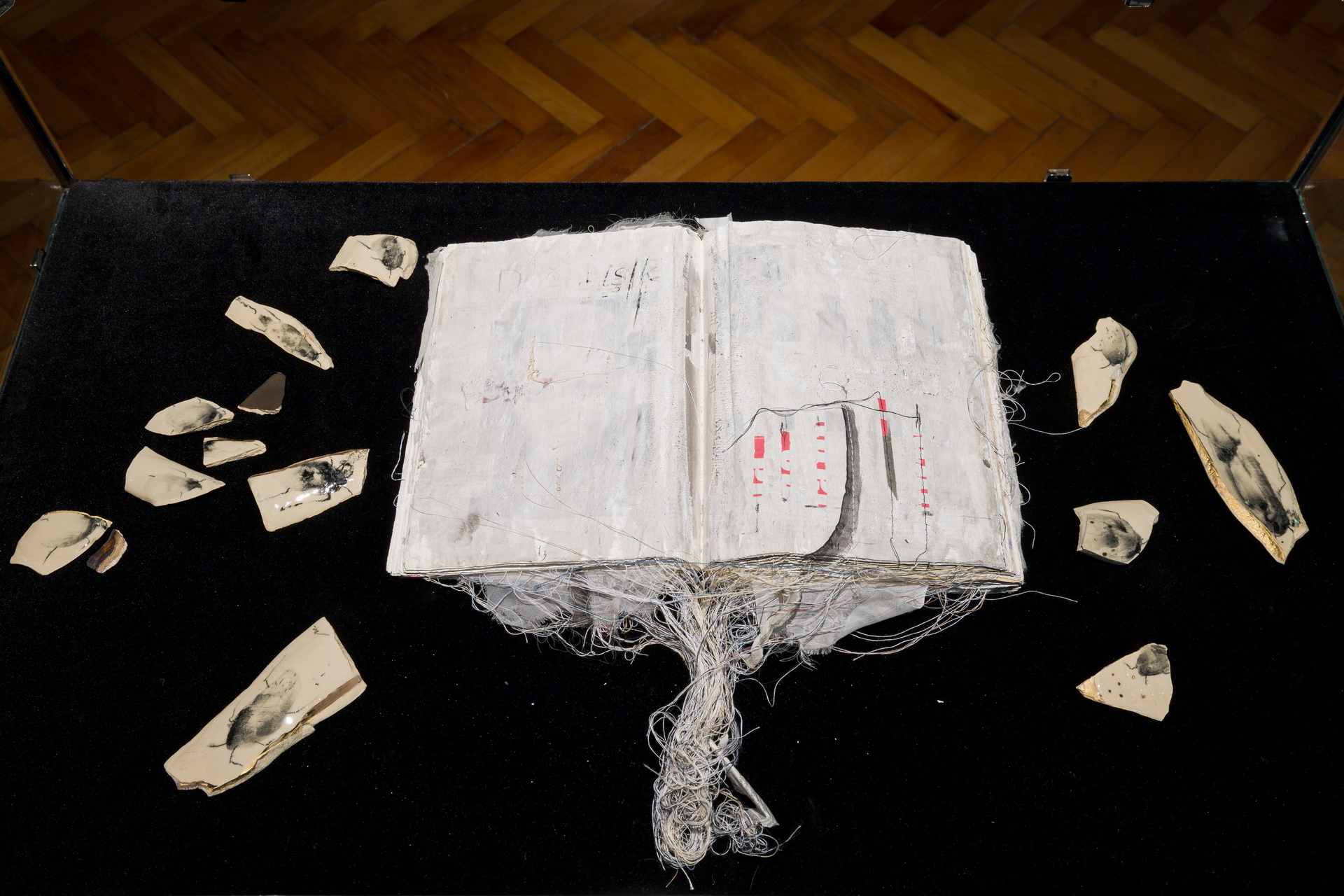
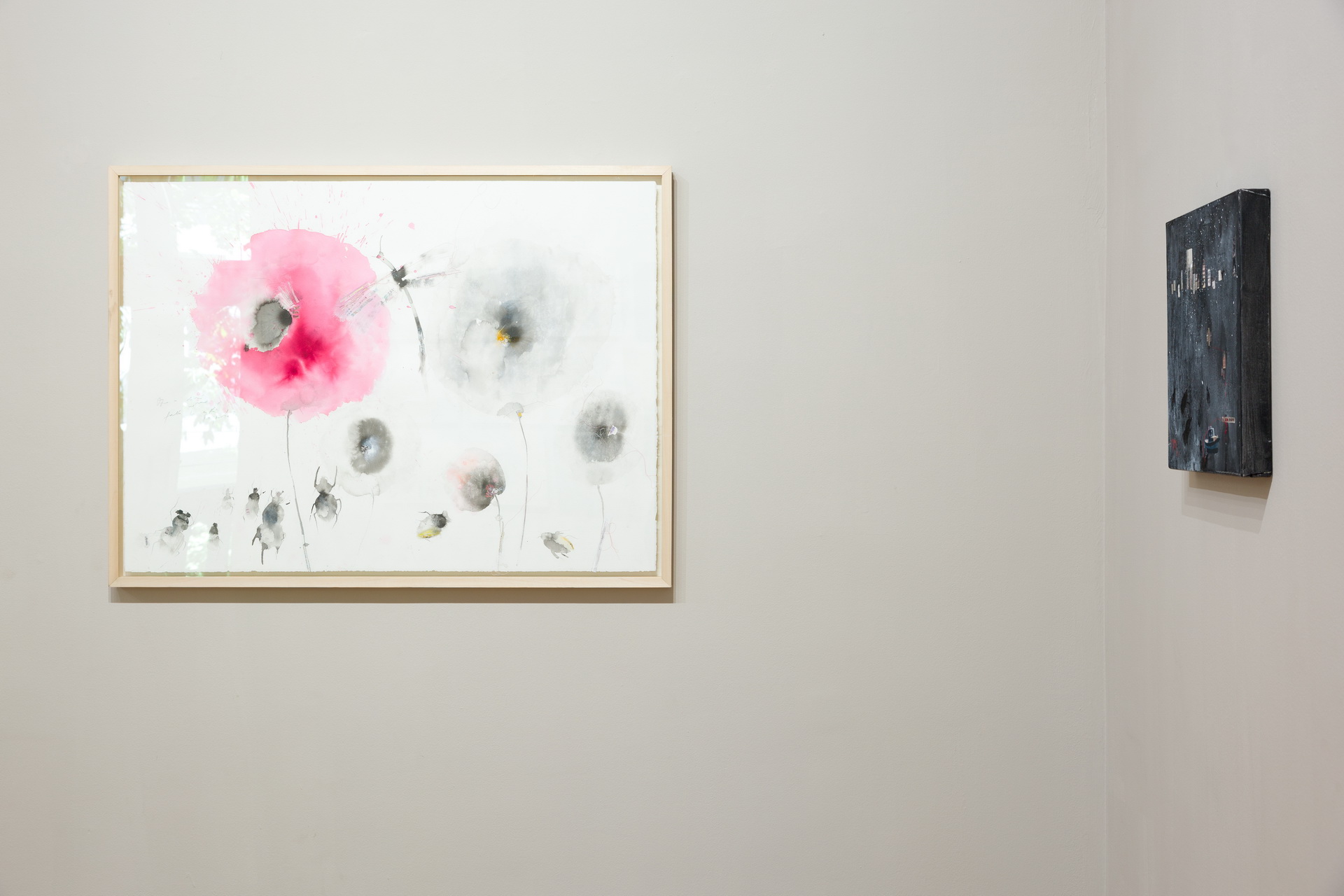
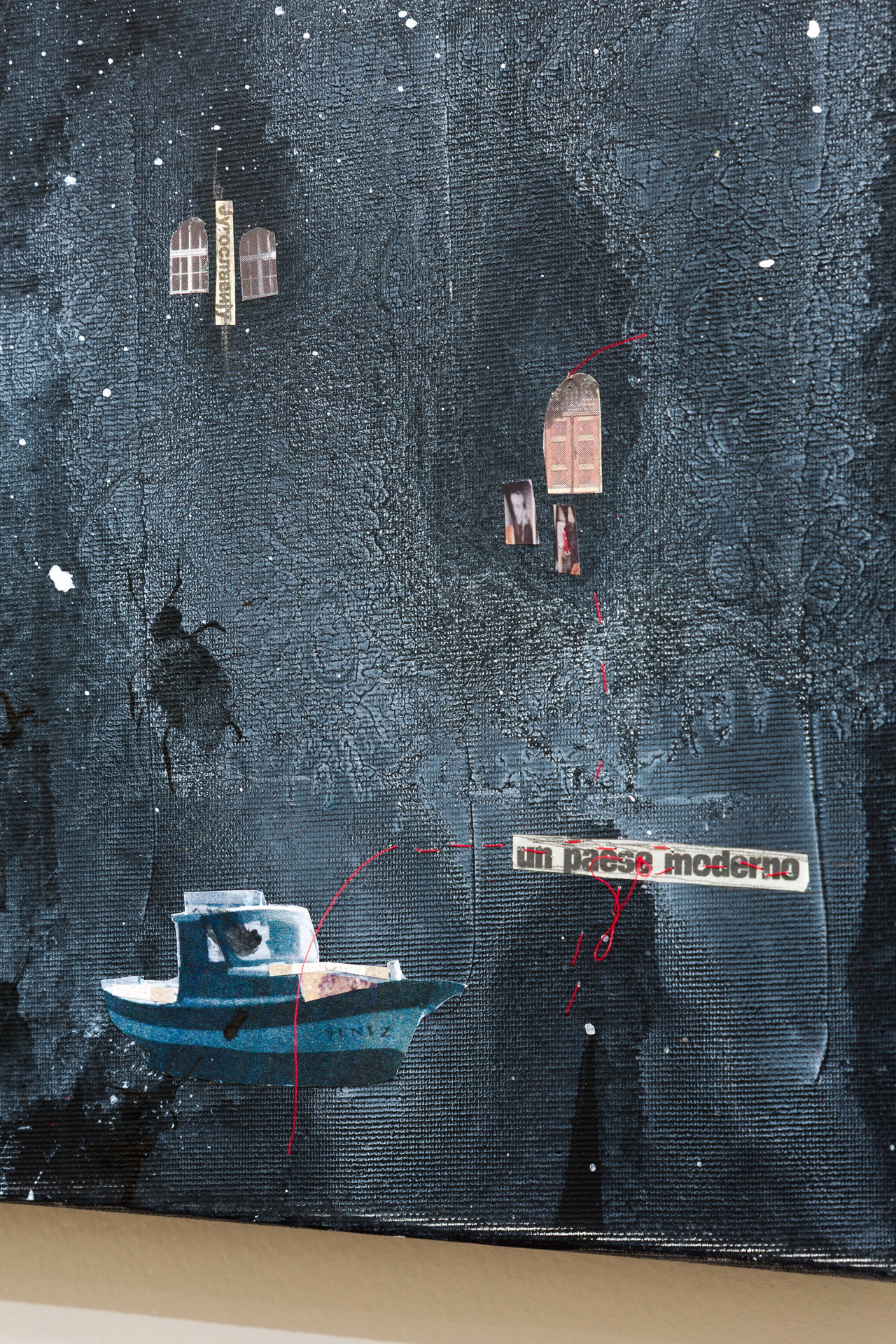
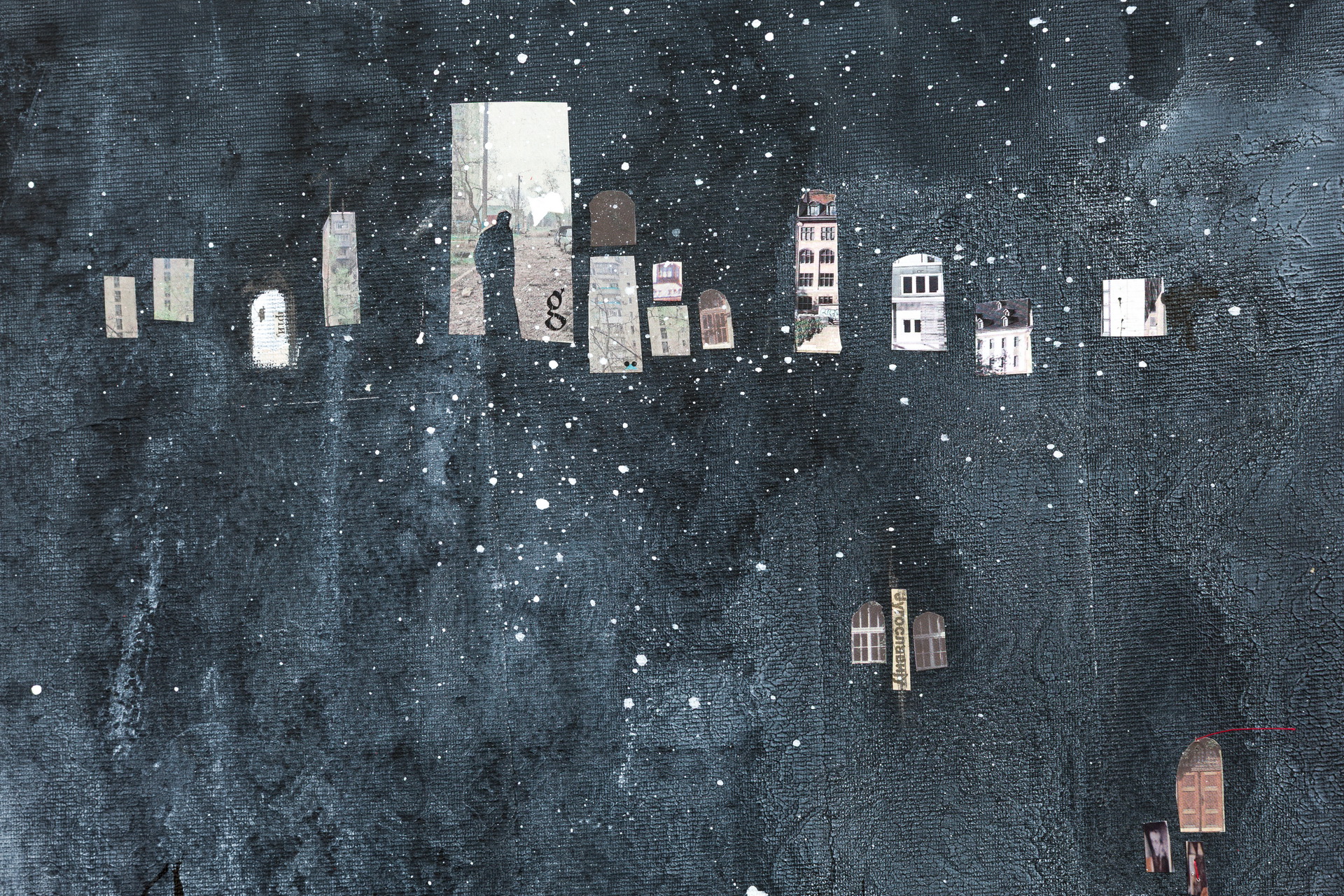
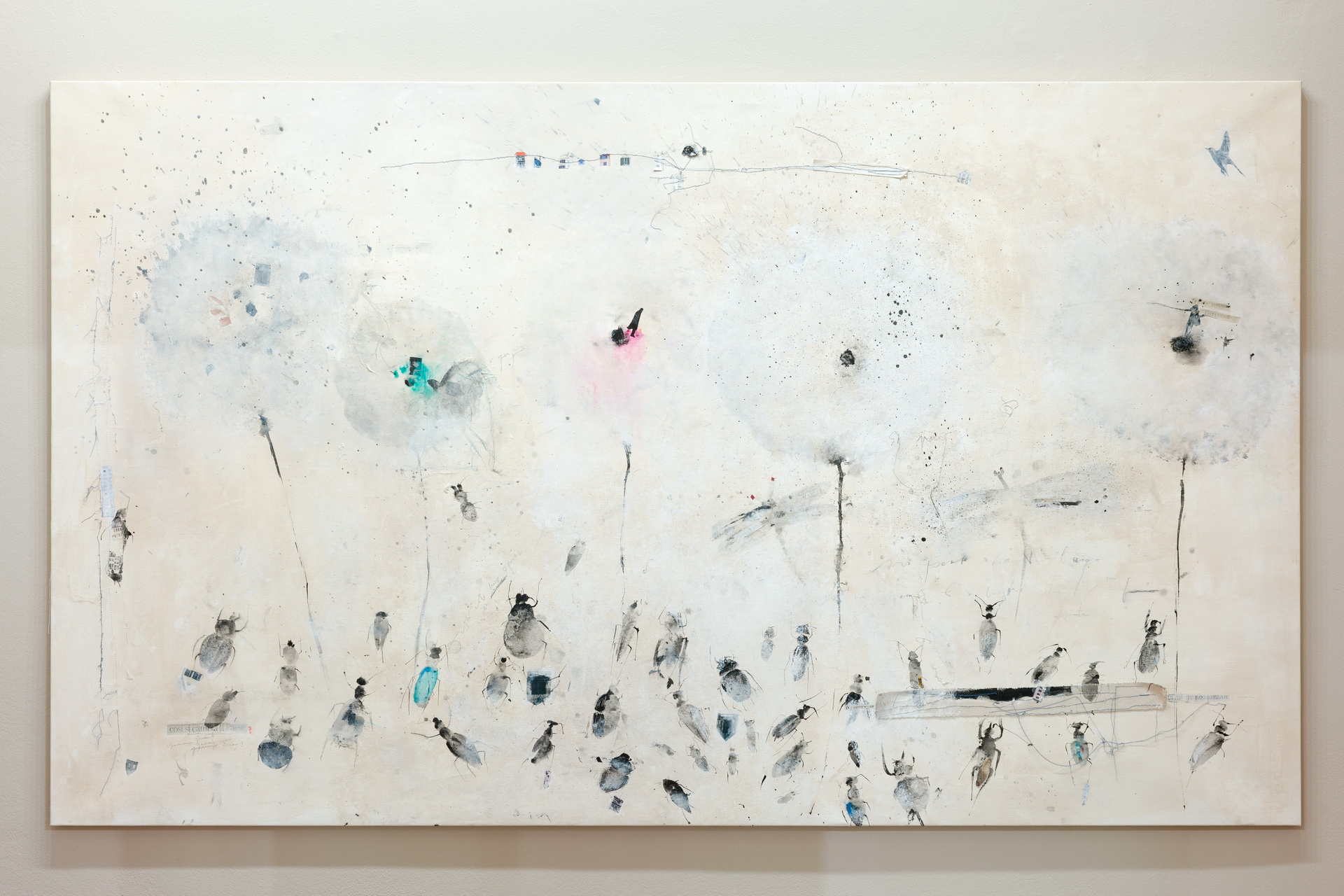
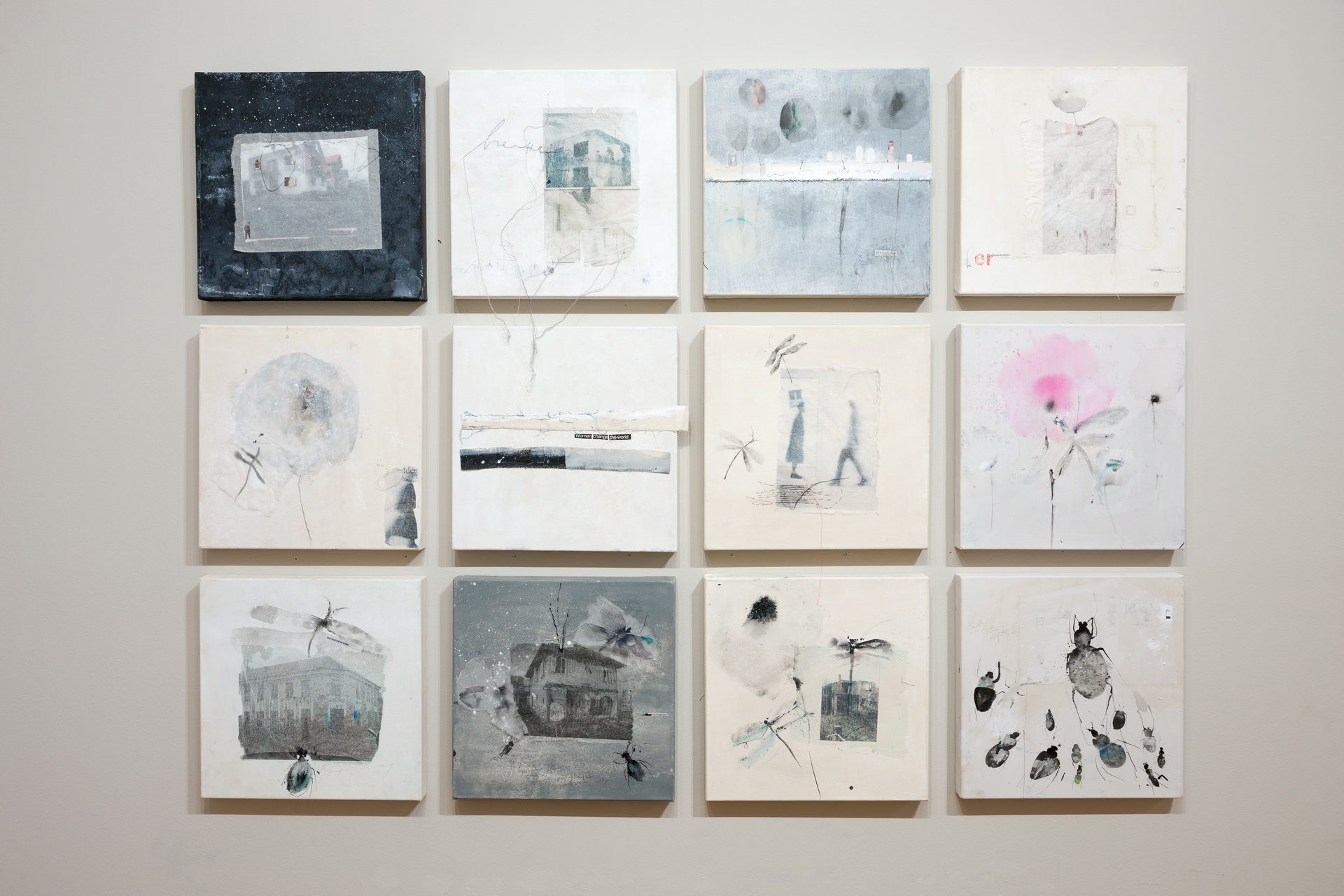
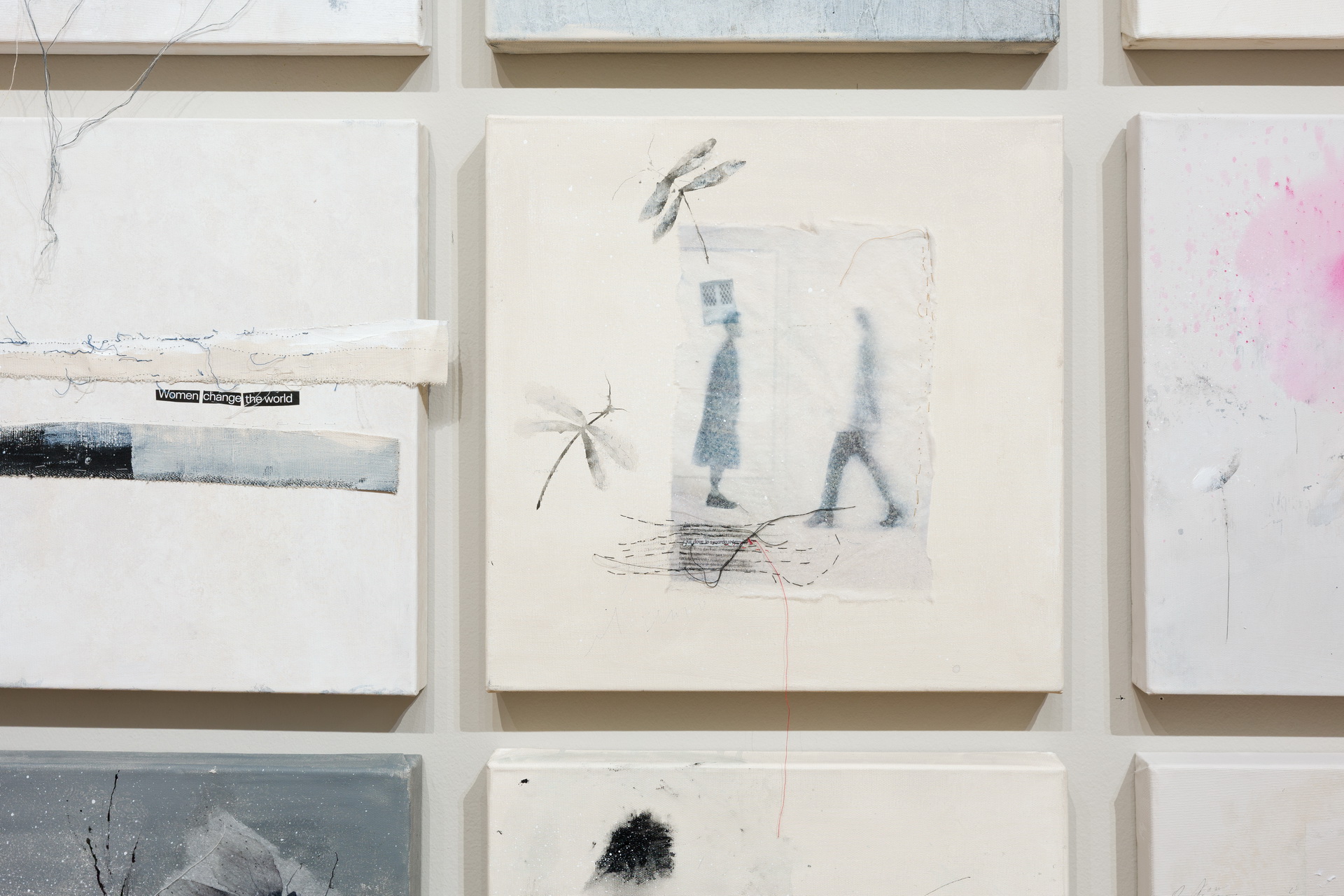
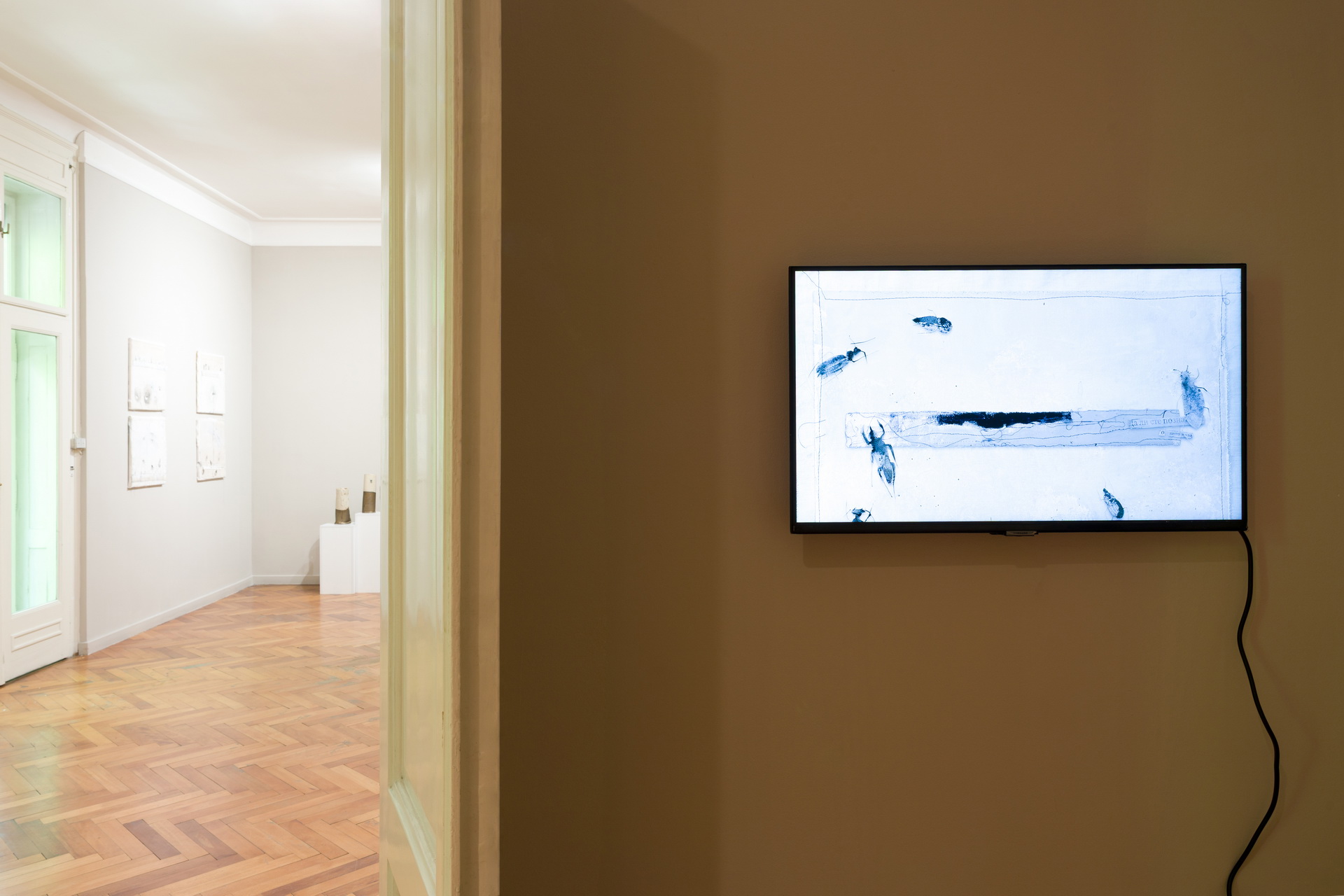
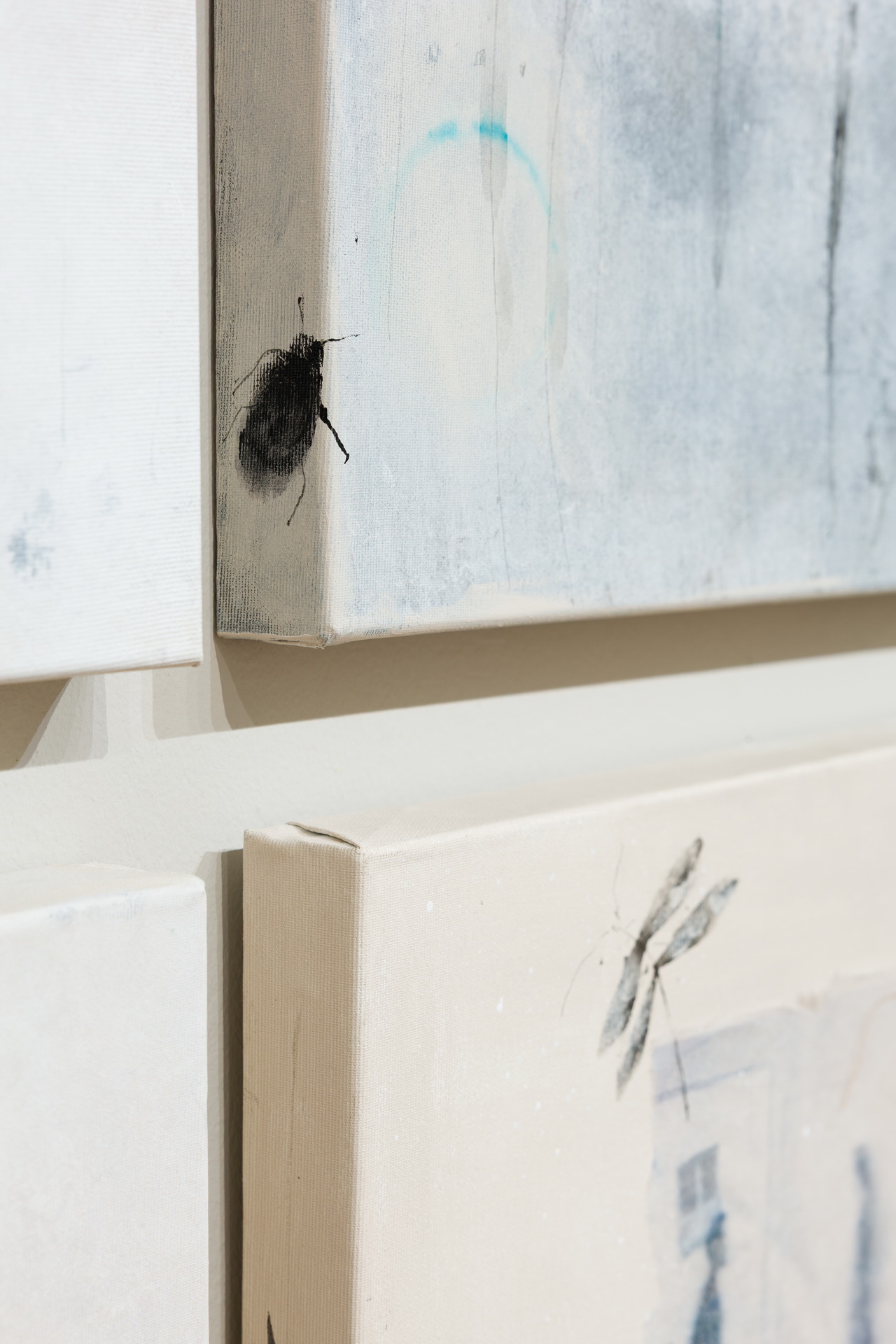
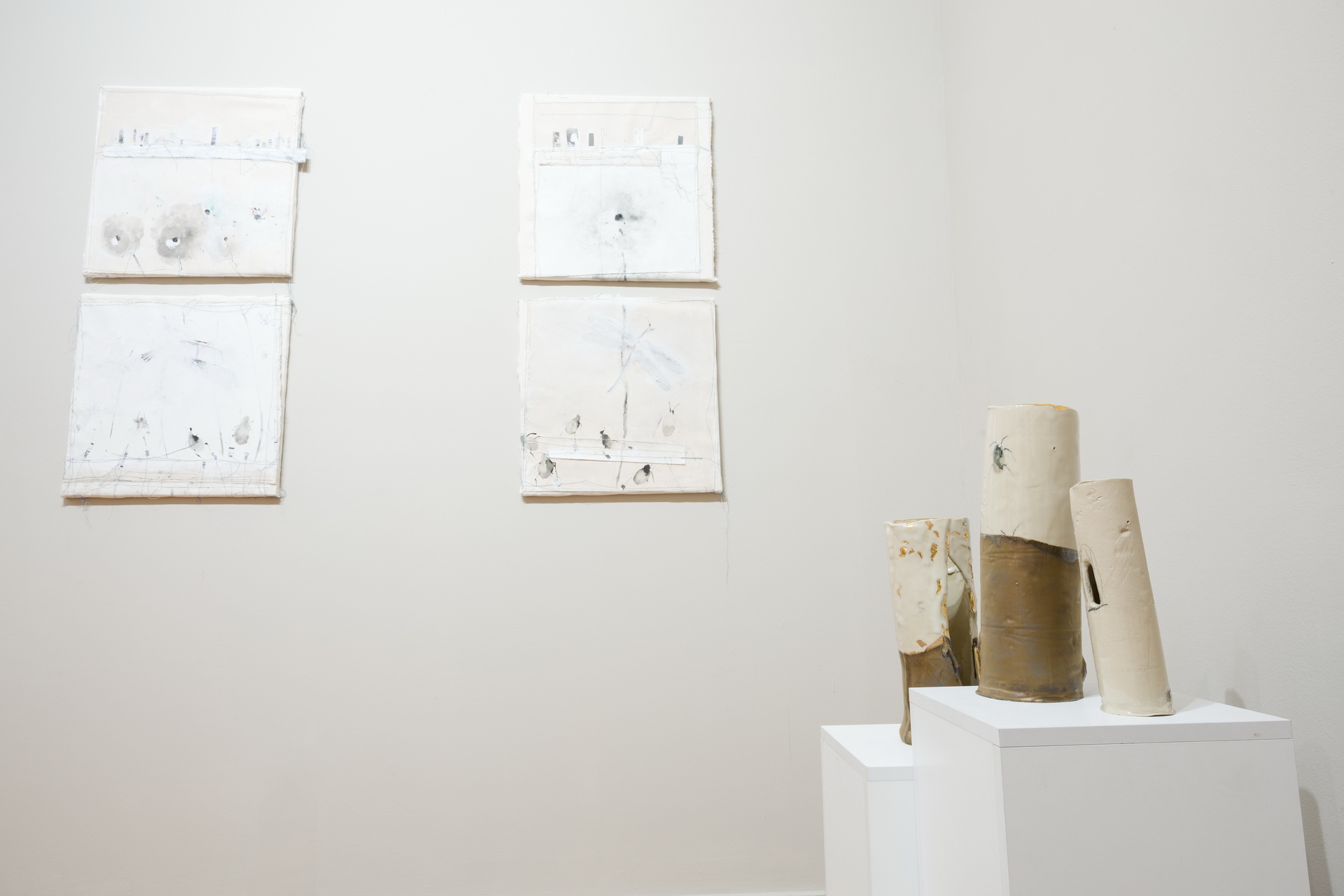
If the work of Željka had to be described in one word, it would be layering. Using the techniques of quilting and collage on canvas, coated with layers of acrylic, the artist builds a gently relief structure similar to a modern city, whose fragments intertwine and layer, separate and collide, and then, like torn segments of reality, become independent and float in space. Under those multiple coats of acrylic, some details become completely invisible to the observer, covered with new layers, like historical eras disappearing under the modern asphalt.
Its cities are far from landscapes in the classical sense. The cities where she lived (her native Tuzla, Belgrade, Macerata, Rome, Istanbul, Ankara, and today Zurich) do not appear as recognizable views. They are fragmented just like the memory of them and the identity they shaped. Plural and dynamic, the cities of Mićanović Miljković are alive, as bright as they are terrible, created by the sedimentation of experience.
But perhaps the artist’s most important interlocutors are her literary relatives. From the very title of the exhibition, which invokes Branko Ćopić’s farewell to a beautiful and terrible life, Željka sought light for her work in the poems of Nazim Hikmet, the prose of Orhan Pamuk and Meša Selimović… The text is a constant theme and inspiration, and a motive and driving force.
Bright and terrible/Luminus and uncanny cities are therefore not places on the map. They are the spaces in between. Between ideal and reality, between departure and return. And it is precisely in that intermediate zone, in that controtempo rhythm that unites everything that separates linear time, that the art of Željka Mićanović Miljković is born.
The exhibition of Željka Mićanović Miljković in Belgrade, the city of her early youth, is a symbolic return. But that return is neither linear nor nostalgic. It is a return in layers, in the controtempo rhythm that characterizes her entire oeuvre: stopping and going back, rearranging time, intertwining the past and the present.
The city is at the center of her many years of research, both artistic and theoretical. In his doctoral dissertation, dedicated to the idea of the ideal city, Mićanović Miljković analyzes how the city has been shaped throughout history as a space for the projection of desires, power and social relations. Starting from historical models of ideal cities, from Renaissance utopias to contemporary urban visions, her research showed that the ideal city was never just an architectural construction, but above all an ideological and imaginative space.
Sara Kršević
ALL RIGHTS RESERVED x vitamin 2023,
design & development - Block&roll
